


Nobody opens a salon website thinking, “Ah yes, I can’t wait to read the Privacy Policy.” But the minute someone’s mad about a deposit, a no-show fee, an allergic reaction, or “why am I getting texts,” those little footer links suddenly become the main character.
If your site collects names, emails, phone numbers, or appointment info (so, basically every salon site ever), you need a few salon website legal pages in place. Not to be fancy. To be clear, protective, and a tiny bit boring in the best way. I always recommend Termageddon to all my clients because they make it so easy to set up these legal pages. They also automatically update them when laws change.
Let’s talk about what you actually need, what can wait, and what to say so your site looks legit without sounding like a robot lawyer.
Essential Legal Pages Most Salon Websites Actually Need (and What Each One Does)
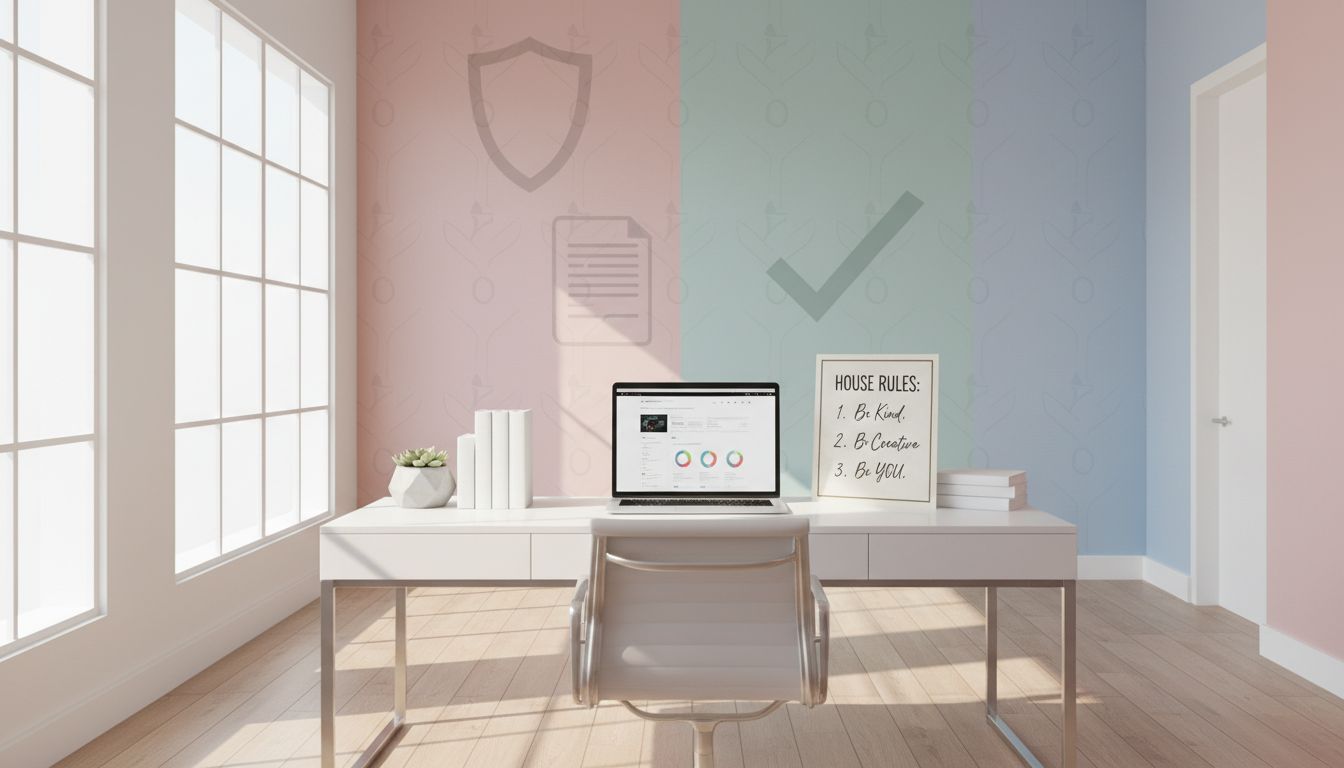
Think of your Website Policies like the “house rules” sign in a cute Airbnb. Most guests won’t read it, but it prevents chaos, confusion, and that one person who tries to host a full-blown party.
Here’s the core trio that covers most salon and beauty business websites:
| Legal page | What it’s for | Salon-specific examples |
|---|---|---|
| Privacy Policy | Explains what info you collect and what you do with it | Contact forms, booking embeds, email list, SMS reminders, cookies |
| Terms and Conditions | Sets rules for using your site and booking through it | Deposits, cancellations, chargebacks, site use, age limits, Refund Policy |
| Disclaimer | Limits what people can claim you “promised” | “Results vary,” allergy risks, education content isn’t medical advice |
A few notes before we go further:
- If you take payments, sell products, run ads, or collect analytics, you’re not “too small” for this. Small businesses get complaints too. Sometimes more, because people feel bold in DMs.
- These pages don’t replace your in-salon policies. They support Legal Compliance online, where misunderstandings love to start.
- If you want a broader checklist of website compliance basics, website legal requirements guidance is a helpful context read (especially if your site has forms, tracking, or sales).
Now let’s get practical, starting with the one you almost definitely need.
Privacy Policy basics for salon websites (forms, booking tools, cookies, and 2026 privacy laws)
If your website collects Personal Data, your Privacy Policy shouldn’t be a vague “we respect your privacy” poem. It needs to say what you collect, why, and who else touches it. You must also disclose how you collect Usage Data through Tracking Technologies.
Start with the obvious. List the kinds of Personal Data you collect, like:
- Name, email, phone number (contact forms, newsletter sign-ups)
- Appointment details (booking links, intake notes)
- Payment-related info (even if a third party processes it)
- Photos or messages if clients submit them
Then name the “helpers” your site uses. Most salons have at least a few: online schedulers, email marketing, pixels for ads, analytics, embedded maps. Even if your website is built on Showit, your forms and booking often run through tools that collect data too. Your policy should mention that third-party services may process data on your behalf.
Cookies matter too. If you have Google Analytics, Meta Pixel, Pinterest tags, or basically any tracking for ads, you need to disclose it in your Cookie Policy. In some places, you also need a Cookies Banner or consent tool, depending on where your visitors live and what you’re doing with tracking.
In 2026, privacy rules are still very state-driven in the US. California is the loudest about it. Under California’s CCPA/CPRA framework, people can have rights like accessing, deleting, or opting out of certain data sharing. If you do targeted advertising, you might need an opt-out option (often phrased as “Do Not Sell or Share My Personal Information,” even if you don’t think you “sell” anything). Other states have similar privacy laws now too. For international visitors, GDPR sets key standards for Data Protection, so it’s smart to write a policy that covers the big concepts cleanly.
If you want a solid plain-English breakdown of what a Privacy Policy should include, Nolo’s guide to privacy policy content is a reliable reference. Salon owners getting started might also benefit from a Privacy Policy Generator.
Last thing, keep it readable. Clients shouldn’t need a law degree to understand how you use their phone number for appointment reminders.
Terms and Disclaimer: the “house rules” and the “please don’t sue me” page
Your Terms of Use page is where you put the rules for using your website and booking through it. It’s not just for giant companies. It’s for anyone who’s ever had a client say, “I didn’t know the deposit was non-refundable,” while staring directly at the deposit policy.
At a minimum, your salon Terms should cover:
- Bookings and payments: deposits, accepted payment types, gift cards, refunds (or no refunds)
- Cancellations and no-shows: time windows, fees, rescheduling limits
- Pricing and service changes: “starting at” pricing, add-ons, corrections, what happens if the service plan changes mid-appointment
- Site use: protect your Intellectual Property, including Copyright Designation for salon imagery; don’t copy photos, don’t scrape content, don’t misuse your contact form
- Limits on liability: as a Service Provider, limits on Legal Liability mean you’re not responsible for site downtime, booking tool outages, or someone misreading your hours
If you’re wondering whether Terms are “required,” it’s often not a strict legal requirement the same way privacy disclosures can be, but it’s a smart layer of protection. This Terms and Conditions explainer lays out why small businesses use them (hint: it’s not because we love paperwork).
Now the Disclaimer. This is where you calmly say, “I’m a professional, not a magician.”
A good salon disclaimer usually includes:
- Results vary: hair color and extensions depend on hair history, maintenance, and realistic expectations
- Allergy and sensitivity language: patch tests, disclose sensitivities, reactions are possible
- Education content disclaimer: if you post hair care tips or product recs, clarify it’s general info, not medical advice
- Photo and color accuracy: screens differ, lighting differs, “espresso brunette” looks different at 9 am vs 9 pm
Where do these pages go? Put them in the Website Footer of every page (classic for a reason). Also link them near spots where people hand over info, like your Contact Form and newsletter sign-up. If you use an Online Booking or deposit payment link, include your key policies there too, because that’s where people suddenly become very interested in the fine print.
One more real-life tip: don’t copy another salon’s legal pages. Besides the whole “not cool” thing, it can be wildly wrong for your business setup, especially if operating as a Limited Liability Company.
If you’re doing a Website in a Day and want your legal pages placed properly (footer, forms, and all the little places people miss), that’s the kind of detail that makes your site feel polished fast. Just remember, templates and designer help are not a substitute for Legal Advice. If you have complex services, memberships, or products, a quick attorney review is money well spent.
While digital policies are great, salons should also maintain their Business License and look into General Liability Insurance or Professional Liability Insurance for full protection.
Conclusion: simple legal pages, fewer headaches
Strong Salon Website Legal Pages don’t make your site stiff, they make it clear and ensure a professional online presence. A clear Privacy Policy respects User Rights regarding data, Terms and Conditions set expectations before anyone books, and a Disclaimer keeps your marketing from being treated like a personal guarantee.
Get the basics live, link them in your footer, and update them when your tools or policies change. Your future self will thank you, probably while sipping an iced coffee and not answering an angry email at 10:47 pm.


My Website in a Day service is perfect for beauty pros who need a polished, professional online presence—like, yesterday. We’ll take one of my custom-designed Showit templates and tailor it to your brand, style, and services in just one day. You’ll walk away with a site that books clients, builds trust, and looks like a million bucks (without taking forever to launch).


